
TOWARDS A NEW SYNERGY BETWEEN AGRICULTURE AND PROCESSING
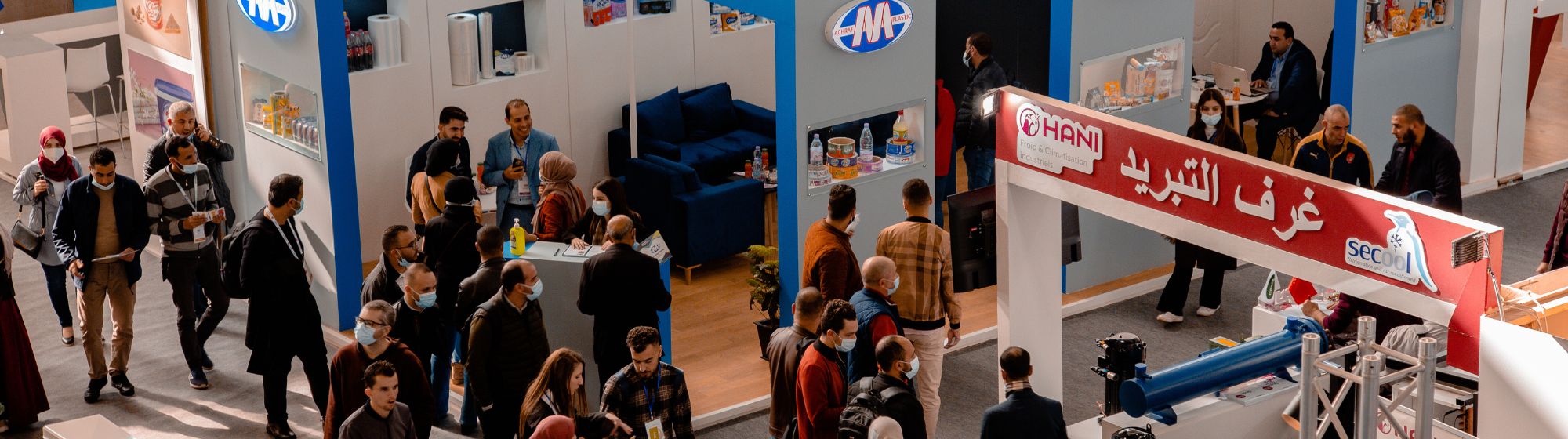
On Tuesday, as part of the Djazagro trade show's Experts' Agora, Ahmed Radja, agro-economist and director of SOGESTA, spoke on a subject that is as technical as it is fundamental: the technical and organisational requirements of agricultural production intended for processing.
His speech, informed by his dual experience in the field and in consulting, highlighted the fundamental conditions for the emergence of a competitive, sustainable agri-food sector that is aligned with the realities of Algeria. Using concrete examples, he demonstrated that the quality of a processed product depends above all on the rigour applied upstream, at the plot level.
‘Quality and excellence happen at the plot level,’ he stated from the outset, inviting participants to review their priorities. For him, the quality and profitability standards that guide processing units impose very specific requirements on producers: appropriate varietal choices, mastery of technical procedures, mechanisation, post-harvest logistics, etc. All of these steps directly determine a product's suitability for industrial processing.
He detailed the various parameters to be taken into account: mechanisation of harvesting, which is still too limited in some sectors; transport, which must meet tight deadlines to preserve freshness; pre-processing (washing, sorting, grading); and finally, storage, which sometimes requires the use of the cold chain. These elements, although often neglected or underestimated, are essential to guarantee regular volumes, consistent quality and better overall profitability.
His speech also gave him the opportunity to deliver a strong message to investors in the room or interested in the topic: processing cannot succeed without a solid and well-organised agricultural base. All too often, industrial projects still come up against a lack of reliable local supply, both in terms of quantity and quality. He therefore called for better coordination between producers and processors, based on clear specifications, the sharing of technical resources and trust-based partnerships.
In this context, the Experts' Agora has fully played its role as a hub for ideas and strategic guidance. According to Ahmed Radja, this type of space is essential for supporting project leaders in their thinking and enabling them to secure each stage of their investment. ‘ The expert, whether a natural or legal person, is there to help the investor build a viable project, integrating all the technical and economic dimensions,’ he said.
Finally, in conclusion to his speech, he praised the evolution of the Djazagro trade show, which he attends regularly. In his view, the exhibition accurately reflects the ongoing transformation of the Algerian agri-food sector. He recalled that, until a few years ago, many industrial units were operating with imported raw materials. Today, a new dynamic is taking shape: the gradual integration of local agricultural production into processing chains.
This development, supported by public policies, opens up new prospects. It promotes national products, stimulates agricultural investment and encourages the emergence of more resilient short supply chains. Through spaces such as the Experts' Agora, the Djazagro trade show actively contributes to this virtuous dynamic by bringing together upstream and downstream players in the sector.